October 21, 2026
Installing new drywall over existing walls is possible when the original wall system is stable, dry, and suitable for supporting another layer. This method, known as a drywall overlay, allows homeowners and property managers to update interior surfaces without removing the existing material. However, moisture damage, framing conditions, and renovation requirements can make complete removal necessary. Truerock Interior provides drywall installation and finishing services for renovation projects where existing wall conditions influence the installation approach.
A drywall overlay is generally suitable when the existing wall provides a sound, reasonably even surface and the underlying structure can support the additional panels. This approach is most practical when the renovation focuses on improving the finished appearance rather than modifying the wall assembly.
Existing drywall does not need to be removed simply because it is old. If the panels remain securely attached, the framing is stable, and there is no significant deterioration, another layer can often be installed over the original surface.
New panels are typically fastened through the existing drywall into the underlying studs. Fasteners must accommodate the combined material thickness and provide adequate engagement with the framing to keep the new panels securely attached.
Drywall can also be installed over some existing plaster walls, provided the plaster is sound and an appropriate fastening or support method is available. Loose plaster and wallpaper must be addressed beforehand, while irregular surfaces may require additional preparation or furring rather than direct installation.
Drywall overlays can be useful when existing walls have widespread cosmetic imperfections, outdated textures, or inconsistent finishes. Rather than correcting numerous surface defects individually, another layer provides a new foundation for painting and finishing.
For example, heavily textured walls may require extensive preparation to achieve a smooth appearance. Installing new drywall can provide a more predictable finish when several walls require the same appearance.
However, minor scratches, shallow dents, and isolated finishing imperfections rarely justify covering an entire wall. Conventional surface preparation and refinishing are generally more economical when the existing drywall remains in good condition. For larger interior updates, our residential drywall services include installation and finishing for renovations where existing surface conditions and finishing expectations influence the project scope.
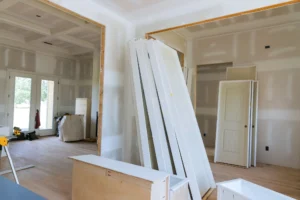
Installing another drywall layer is unsuitable when existing conditions require repairs, further investigation, or access to concealed components. Covering a defective wall can leave the original problem unresolved while making future repairs more difficult.
Drywall affected by ongoing moisture intrusion, suspected mold growth, or substantial water damage should not be covered without addressing the underlying condition. Installing another layer can conceal visible warning signs while allowing deterioration to continue within the wall assembly.
Persistent staining, softened drywall, damp surfaces, and recurring condensation may indicate moisture problems requiring investigation. The moisture source must be corrected, and affected materials assessed before the wall is enclosed.
Insulation problems can also require removal when the wall cavity needs to be accessed. Missing, wet, or damaged insulation cannot be properly evaluated or replaced simply by adding another drywall layer.
Not every damaged section requires complete wall removal. Localized deterioration may be addressed by removing and replacing the affected material, provided the surrounding drywall and underlying assembly remain suitable for an overlay.
Drywall overlays follow the general shape of the existing wall and cannot reliably correct substantial framing irregularities. Bowed studs, displaced framing, or movement within the wall assembly can produce an uneven finished surface.
Minor surface variations may be manageable, but significant framing misalignment requires correction before new drywall is installed. Otherwise, the additional layer can reproduce existing distortions or develop cracks as the wall continues to move.
Where damaged framing or structural movement is suspected, the underlying condition must be evaluated before selecting an installation method. Drywall provides a finished surface but does not replace the structural function of the framing behind it.
Renovations involving electrical or plumbing modifications often require sections of the existing drywall to be removed. Relocating outlets, replacing concealed wiring, or modifying plumbing lines generally requires direct access to the wall cavity.
Kitchen, bathroom, and basement renovations are common examples where these modifications influence the installation approach. If extensive changes are planned, complete drywall removal may be more practical than working around the original panels.
Electrical boxes must also be properly adjusted or extended to accommodate the increased wall thickness. Switches, outlets, and junction boxes must remain correctly installed and accessible rather than being recessed or concealed behind the new surface.
Choosing between a drywall overlay and complete removal involves comparing the overall renovation scope rather than material costs alone. Both approaches can produce a durable finished wall, but their advantages depend on the condition of the existing assembly and the work required.
Cost and Labour: An overlay generally reduces demolition, cleanup, and disposal work. Complete removal adds labour at the beginning of the project but may reduce complications when extensive modifications are required.
Project Duration: Installing over existing drywall can shorten preparation when the original surfaces are suitable. Full removal requires additional demolition and cleanup, although it can simplify subsequent work involving major changes.
Access and Flexibility: An overlay preserves the existing wall assembly and limits access to concealed components. Full removal exposes the framing and wall cavity, allowing more extensive modifications and corrections.
Finished Appearance: Both approaches can produce smooth, paint-ready walls when properly installed. Full removal offers greater flexibility for establishing a straight surface when existing walls have substantial irregularities.
Durability and Longevity: A properly installed overlay is not inherently less durable than replacement drywall when the original assembly is sound, fastening is adequate, and applicable requirements are met. Its long-term performance becomes less predictable when existing defects remain unresolved or the additional layer is inadequately supported.
Building Requirements: Fire resistance, sound control, and other assembly requirements may influence which approach is permitted. This is particularly relevant in commercial drywall projects, where wall construction may need to follow a specified assembly design.
An overlay is not automatically the less expensive option once associated adjustments are included. The practical comparison should account for demolition, preparation, installation, finishing, and modifications to adjoining surfaces.
Even when the visible drywall appears suitable, another layer introduces considerations that may not be obvious during initial renovation planning. These risks primarily involve additional material weight, changes to finished dimensions, and reduced visibility of concealed conditions.
Adding drywall increases the load carried by the existing framing and supporting connections. Although many conventional wall systems can accommodate additional gypsum board, suitability depends on the assembly’s condition, configuration, and applicable requirements.
Fastening becomes particularly important because the new panels must remain securely attached over time. Incorrect fastener length, spacing, or placement can contribute to loose panels, joint movement, and visible fastening defects.
The additional drywall should not be treated as structural reinforcement. Where the original framing has insufficient capacity or damaged connections, those deficiencies require appropriate correction rather than another finishing layer.
Installing another drywall layer increases the finished thickness of each affected wall. Although the reduction in floor space may be small, the added depth can affect doors, windows, trim, and fixtures positioned against the existing surface.
Door jambs, window returns, baseboards, and built-in cabinetry may require adjustments to maintain proper alignment. Interior corners and transitions between renovated and untouched walls also require consideration to prevent noticeable differences in surface depth.
These modifications can influence whether an overlay is economical. A project involving numerous openings, built-in features, or detailed trim may require enough adjustment work to reduce the savings associated with avoiding demolition.
An overlay leaves the original drywall concealed beneath the new panels. Defects that were not identified beforehand become more difficult to inspect, potentially delaying the discovery of deterioration or other concealed problems.
This is particularly relevant in older buildings where previous renovations, repairs, or material conditions may be uncertain. A visually acceptable wall surface does not independently confirm the condition of every component behind it.
Older wall finishes and joint compounds may also contain hazardous materials, depending on the building’s age and construction history. Where suspect materials could be disturbed during fastening, cutting, or preparation, appropriate assessment should occur before work begins.
Determining whether a drywall overlay is appropriate requires more than checking the visible appearance of the wall. Contractors assess the existing assembly to identify conditions that affect installation, fastening, and long-term performance.
The evaluation generally includes the following:
Surface inspections and moisture readings do not always reveal conditions within the wall cavity. If staining, recurring dampness, unexplained movement, or other warning signs suggest concealed damage, selective openings may be necessary to confirm the underlying condition.
Contractors must also determine whether the wall forms part of a fire-rated or otherwise specified assembly. Adding drywall does not automatically preserve or improve a certified performance rating, and changes must be consistent with the applicable assembly requirements. These considerations are particularly relevant to industrial drywall installations, where wall construction may be subject to project-specific material and performance requirements.
The inspection findings determine the appropriate scope of work. Sound surfaces with adequate support may qualify for an overlay, while isolated defects may require selective removal and replacement. Widespread deterioration, inadequate framing, or extensive concealed modifications generally favour removing the existing drywall or reconstructing the affected assembly.
Installing new drywall over existing walls is a practical option when the original wall assembly remains sound and the renovation primarily involves updating the finished surface. It can reduce demolition and material disposal while providing a new surface suitable for professional finishing.
Complete drywall removal is generally the better approach when the project involves significant framing corrections, concealed system upgrades, extensive damage, or requirements that cannot be satisfied by an overlay. Although removal involves additional initial work, it provides greater access and flexibility for correcting existing conditions.
Before selecting either method, property owners should compare the complete renovation scope rather than the cost of drywall installation alone. The condition of the walls, required alterations, finishing expectations, and applicable building requirements all influence the appropriate choice.
At Truerock Interior, we provide drywall installation and finishing services for residential, commercial, and industrial projects throughout Edmonton and surrounding communities. Property owners planning interior renovations can discuss their existing wall conditions, finishing requirements, and project scope to establish whether an overlay is appropriate or removing and replacing the original drywall is the more practical approach.

